Five Minutes to Unstick Your Desk-Bound Body

Today we dive into Five-Minute Mat Mobility Flows for Office Workers, a practical, time-smart approach that fits between emails, stand-ups, and coffee refills. Expect approachable sequences that soothe stiff hips, wake up your spine, and refresh your focus. No special gym gear, no sweat-soaked clothes—just a mat, a few guided moves, consistent breathing, and a commitment to feeling better in the moments you actually have.

Why Tiny Routines Deliver Big Relief

Five concentrated minutes can reduce the heavy, dull stiffness that builds from hours of sitting by nudging circulation, rehydrating tissues, and reminding your joints to move through comfortable ranges. Brief mobility also refreshes attention, interrupts slouching habits, and lowers tension before it spirals. With repetition, these micro-sessions compound like interest, creating meaningful comfort that supports deep work without requiring a complete schedule overhaul.

Pick a Minimalist, Office-Friendly Mat

Choose a thin, grippy travel mat that rolls small, cleans easily, and won’t squeak on carpet or laminate. Non-distracting colors blend into an office environment and attract less attention. Keep a small microfiber towel nearby for quick cleanup. Practical details, like how fast it unrolls and re-rolls, matter more than luxury features. If setup is simple, you’ll start on time and return to work refreshed.

Carve Out a Quiet Corner

Scout a space behind a conference table, near a window, or beside a bookcase where your mat fits end-to-end. Test for foot traffic, temperature, and lighting. Aim for enough room to extend your arms without knocking chairs. Post a polite, visible cue—like headphones or a small sign—so colleagues understand you’ll return shortly. Respectful boundaries protect your consistency and keep the practice low-drama and sustainable.

Props From Things You Already Have

Skip fancy gear. A folded sweater becomes a knee cushion, a laptop bag acts like a yoga block, and a lanyard or scarf can serve as a strap. Keep shoes nearby for quick transitions back to meetings. These friendly improvisations save budget and reduce excuses. Practical props create comfort, and comfort invites repetition, which ultimately delivers the lasting mobility benefits you’re seeking during demanding workweeks.
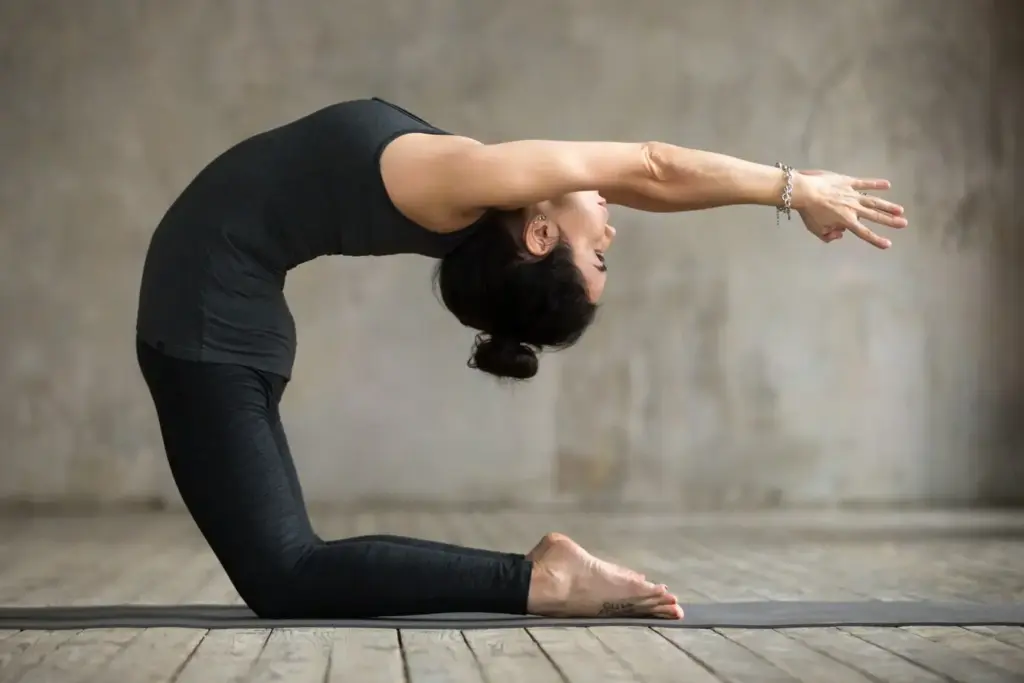
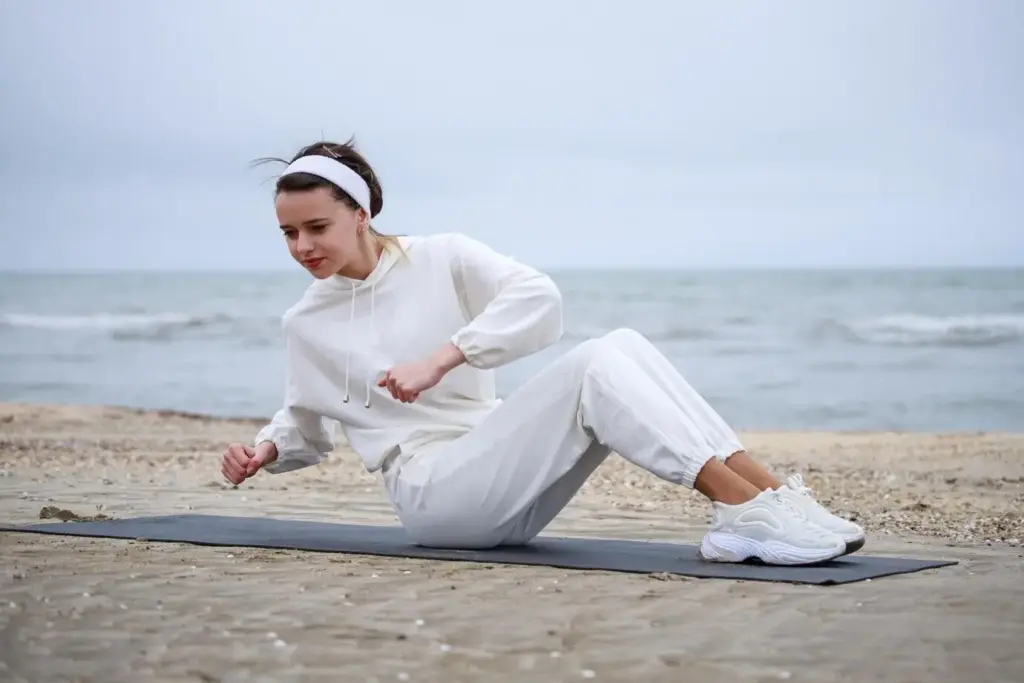
Flow One: Energizing Morning Primer

Flow Two: Midday Reset Between Meetings

As energy dips, a concise hip and thoracic reset can prevent the afternoon slump. This sequence prioritizes hip-flexor opening, gentle hamstring flossing, seated spinal rotation, and wrist relief after intense typing. Five quiet minutes restore posture, brighten mood, and reduce that heavy, compressed feeling. You return clearer, kinder, and more present for colleagues, clients, and your own problem-solving creativity through the rest of the day.

Sequence Snapshot

Start with a low lunge, gently tucking the tail to lengthen the front of the hip. Transition to a half-split hamstring glide, moving only within comfort. Sit tall for a cross-legged or kneeling rotation, then finish with wrist extensions and flexions. Each element aims for ease, not intensity. Expect a calmer mind, lighter hips, and wrists that feel ready for more thoughtful, intentional keyboard time.

Seamless Desk-to-Mat Transition

Block five minutes on your calendar with a neutral label and slide your mat under the desk for instant access. Close tabs, silence alerts, and set a gentle chime. Imagine you’re stepping into a hallway of quiet. Those thirty seconds of preparation protect your focus. When you return, resist the frantic catch-up urge; instead, re-enter with deliberate pacing and prioritize the single next meaningful task.

Options for Stiff or Sensitive Days

If your hips feel stubborn, lift your back knee onto a sweater and reduce the lunge depth. For hamstrings, bend the front knee slightly and glide shorter. Swap floor rotations for a tall-kneeling twist if sitting is uncomfortable. Always choose pain-free variations. Your consistency matters more than intensity. Gentle adjustments reaffirm safety, and safety invites your body to relax into newer ranges over time.

Flow Three: Late-Afternoon Unwind

Close the workday by releasing neck tension, easing the lower back, and softening the hips so the evening begins spaciously. Expect supine figure-four, hamstring strap work, gentle neck glides, and a brief supported child’s pose. In five minutes you downshift from cognitive overdrive to calm presence, making commutes, family conversations, and dinner prep feel smoother, kinder, and less carrying the office in your shoulders.

Sequence Snapshot

Lie on your back and cross ankle over knee for a supine figure-four, coaxing the outer hip to relax. Transition to gentle strap-assisted hamstring stretches, then add slow chin-to-shoulder glides to unwind your neck. Finish in a supported child’s pose with a folded sweater under your chest. This closing arc settles breath, lengthens sticky tissues, and signals your nervous system that the workday is complete.

Downshift Your Nervous System

Extend your exhale to be noticeably longer than your inhale, letting shoulders melt on each breath out. Soften your tongue and widen your peripheral vision, simple cues that calm threat monitoring. Move quietly, with deliberate transitions. End with two still minutes, eyes closed, noticing gratitude for something that went well. This small ritual seals the session, carrying steady composure into the moments that matter afterward.

Make It Work in Office Attire

Tight skirts or slim trousers? Choose supine instead of kneeling variations, and shorten ranges to avoid strain. Keep heels on if removing shoes is awkward, but slide toes free for better ankle movement when possible. Use a jacket for padding where needed. Elegance and practicality can coexist. The purpose is ease, not performance, so adapt with confidence and return to your evening feeling refreshed, not rumpled.

Micro-Progress You Can Measure

Use a simple checkmark habit tracker and a quick body scan scale from one to ten for hips, back, and neck. Note which sequence you did, morning or midday. Watch for improved posture while typing, quicker mental recovery after meetings, and fewer fidget breaks. These small, visible trends build belief, turning five minutes into a trusted ritual that steadily supports real-life performance and comfort at work.

Accountability Cues That Actually Stick

Pair your reset with existing anchors: calendar notifications, post-lunch tea, or the moment you close a big task. Keep your mat visible to reduce friction. Ask a teammate to text a playful reminder. Celebrate with a single deep breath and a glass of water. Gentle cues beat guilt every time, transforming intention into automatic behavior during even the wildest sprints and deadline-heavy weeks.

Share Your Wins and Learnings

Tell us which move unlocked your hips, which breath count calmed your mind, or what micro-adjustment finally made wrist work pleasant. Post a short story or photo of your quiet office corner. Invite a colleague and compare notes after a week. Your experiences refine these flows for everyone. Comment, subscribe for new sequences, and request specific office constraints you want addressed in future five-minute practices.
Roxaturakipuhomufohiha
Privacy Overview

This website uses cookies so that we can provide you with the best user experience possible. Cookie information is stored in your browser and performs functions such as recognising you when you return to our website and helping our team to understand which sections of the website you find most interesting and useful.