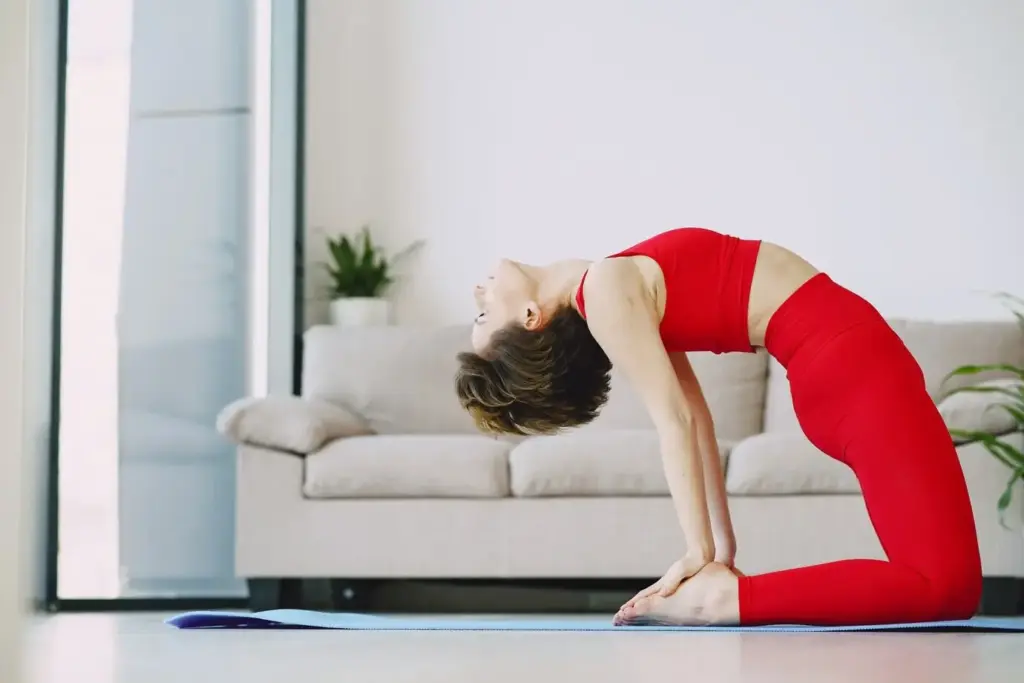
Ease Your Back with a Gentle Chair‑to‑Floor Stretch Flow
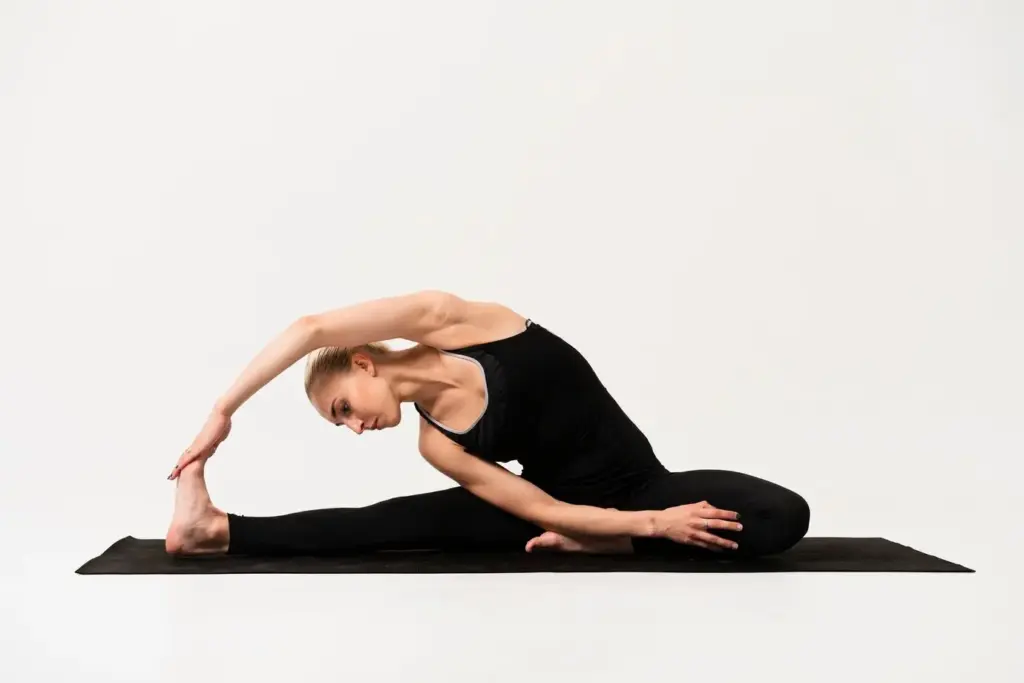
Understand the Lower Back’s Needs Before You Move
Set Up Your Space, Chair, and Props for Success
Safety checklist for dependable support
Check that your chair does not slide or swivel. If the floor is slick, place the front chair legs on the mat for traction. Ensure there is enough room to step forward, kneel, and lie down without bumping objects. Wear comfortable clothing that allows hip and spine movement. Keep water and a small towel nearby. These small details make transitions smoother and your nervous system calmer, especially when moving from seated to standing or kneeling positions that can sometimes trigger guarding.
Smart prop choices that encourage relaxation
Use a cushion or folded towel under sit bones to free the lower back during seated work. A yoga block can support the forearms during hip stretches or cradle the head during supine rest. If hamstrings feel intense, strap or towel assists can reduce strain and allow steady breathing. Props are not shortcuts; they are clever bridges that make healthy alignment accessible. With supportive angles, you can release stubborn tightness without bracing, helping relief arrive sooner and stick around longer.
When to modify, pause, or consult a professional
If you experience sharp, shooting, or worsening pain, stop and consult a qualified clinician. History of recent surgery, disc herniation flares, or unaddressed neurological symptoms warrants personalized guidance. Modify by reducing range, adding props, or shortening holds. You should feel a stretching sensation or gentle activation, not a pinch. Remember, sustainable change comes from consistency and patience. Today is about learning your body’s language, not forcing results. Respecting your boundaries is a powerful investment in long‑term comfort and capacity.
Seated Warm‑Up: Breath, Core, and Gentle Mobility
Hip hinge over rounding: the golden habit
Half‑kneel landing with centered support
Floor Focus: Stretches That Target Lasting Relief
Integration, Recovery, and Keeping the Habit Alive