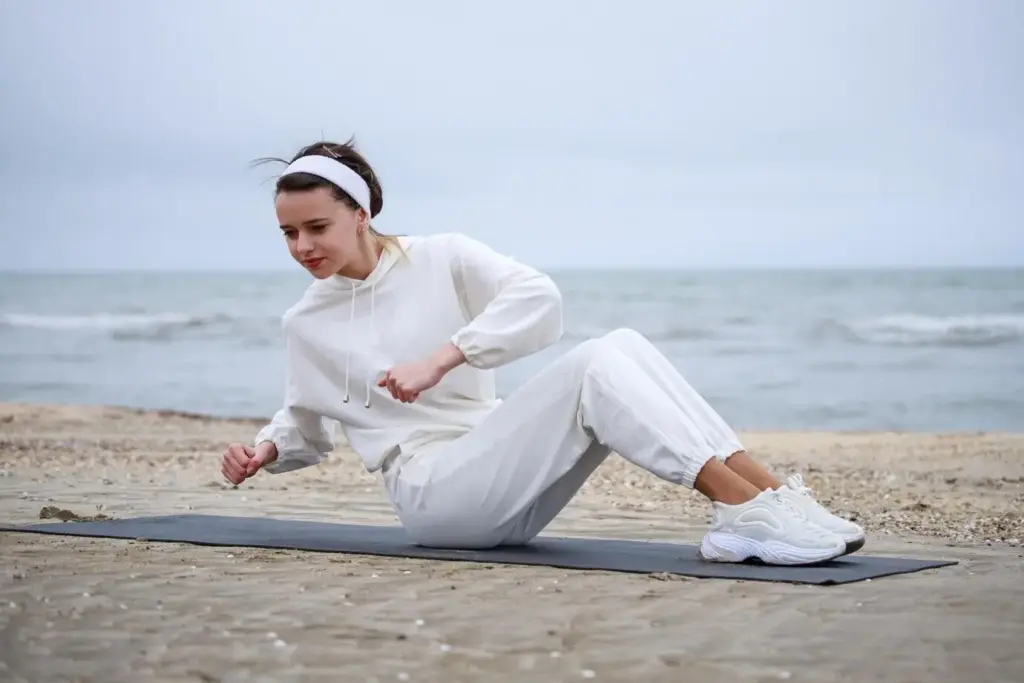
Stand-to-Mat Sparks: Micro-Moves to Beat Desk Fatigue

Today we dive into Standing-to-Mat Movement Snacks to Combat Sedentary Fatigue, exploring fast, practical transitions that revive circulation, sharpen focus, and reset posture without derailing your schedule. Expect friendly, science-backed ideas, playful prompts, and approachable flows you can weave between emails, calls, and deep work, building consistency through tiny wins that add up.

Why These Quick Transitions Work

Short, frequent transitions between standing and the mat deliver a potent physiological reset. They lubricate joints, stimulate blood flow, refresh breathing patterns, and restore postural variety your nervous system craves. Instead of battling exhaustion with caffeine, these compact bouts act like natural starters, nudging your body toward alertness, comfort, and sustainable energy while preserving focus on meaningful work throughout long days.

Circulation and Joint Hydration

When you move from standing to the floor and back, calf muscles pump blood upward, venous return improves, and synovial fluid circulates through major joints. That simple variability reduces stiffness, tingling, and heaviness in legs or hips, replacing the dull, seated slump with a lively, supported feeling that carries into your next task with surprising clarity and comfort.

Posture Variability and Core Reflexes

Shifting orientations recruits stabilizers your chair neglects. Each descent and rise wakes deep core reflexes, challenges balance systems, and gently repositions the spine. Over time, these micro-challenges make upright posture feel easier, not forced, because tissues adapt to a richer movement diet. The result is less bracing and more effortless alignment when you return to standing or seated work.

Brain, Breath, and Focus

Attention lifts when breath deepens and carbon dioxide tolerance improves. Quick transitions encourage fuller exhales and coordinated diaphragmatic work, which steadies heart rate, calms jittery urgency, and primes mental flexibility. After a minute, people often report clearer thinking, easier problem solving, and a friendlier mood, supporting creative decisions without the mid-afternoon crash that often follows another cup of coffee.

Setups that Respect Knees and Wrists

Use a thicker mat or folded towel under patellas, and stack wrists under shoulders with open palms or knuckles if extension feels cranky. Adjust stance width for hip comfort, and let shins or forearms bear load when needed. Gentle support signals safety to your body, allowing strength and mobility to grow without provoking irritation, swelling, or next-day soreness that derails consistency.

Breath Cadence and Exit Plans

Match each transition with even breathing: inhale to prepare, exhale to move, pause to sense. Keep an easy conversational rhythm rather than forcing intensity. Know your exits before you start: a stable kneel, a supported squat, or hands to thighs. Predictable off-ramps reduce anxiety, improve confidence, and keep sessions short, pleasant, and repeatable when deadlines and meetings compress your available minutes.

Pain, Dizziness, and Smart Alternatives

Move around pain rather than through it. If dizziness appears when rising, slow down, widen your stance, and add a wall or chair for balance. Replace deep kneeling with a half-kneel pad, or swap planks for elevated versions. Choose variations that feel sturdy and expandable. Your aim is smooth practice, not heroics, so tomorrow’s willingness stays intact and your progress continues steadily.

The Desk-to-Lunge-to-Kneel Flow

From standing, step into a gentle lunge, lower one knee to a soft mat, breathe, then return with control. Alternate sides. This pattern mobilizes hips, ankles, and balance without strain. If space is tight, shorten your stride or brace one hand on a desk. You will feel grounded and tall afterward, with lighter legs and smoother transitions back to focused, creative tasks.

The Hinge-to-Plank-to-Child Loop

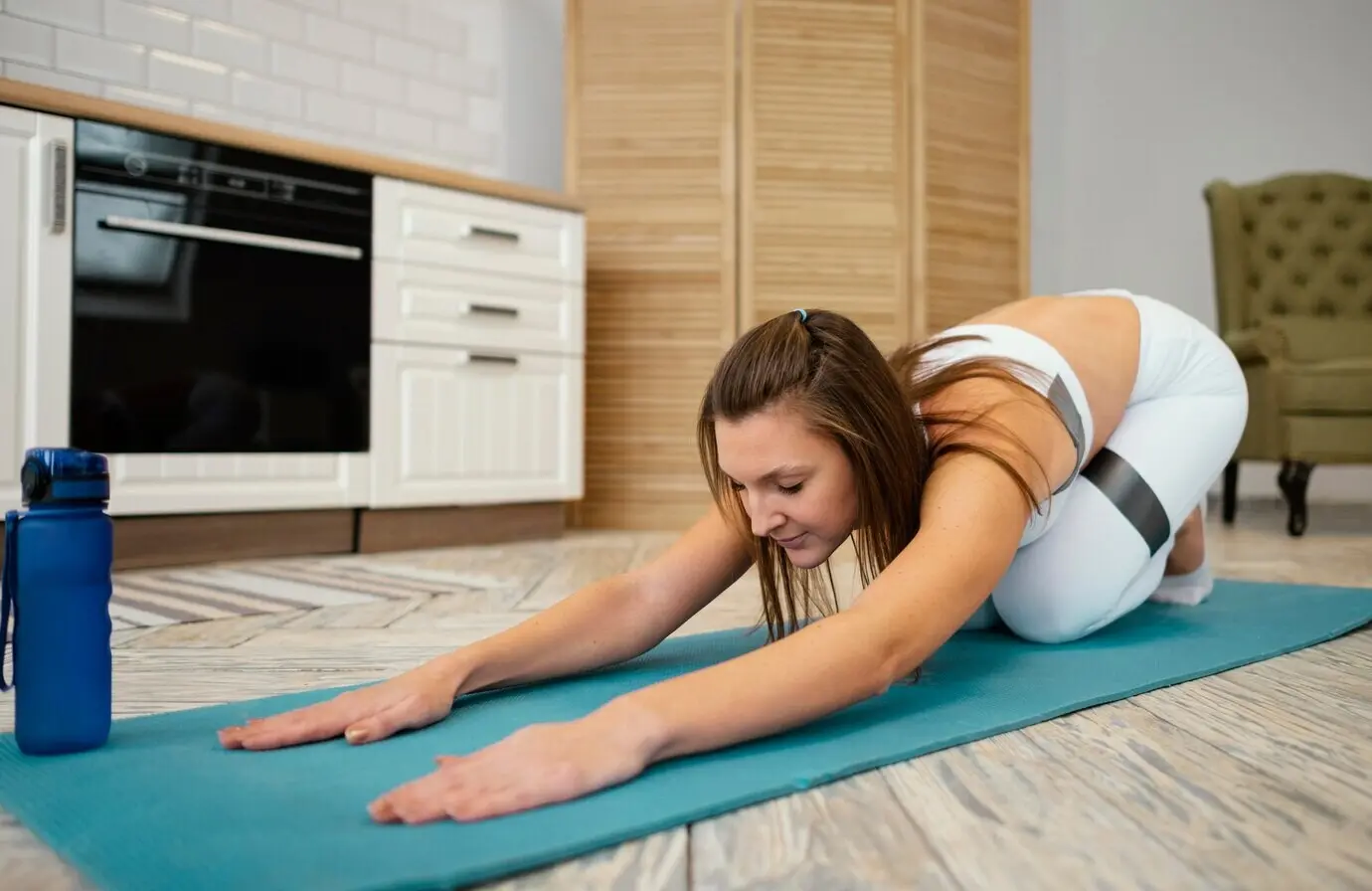
Hinge at hips, place hands to mat or chair, step back to an elevated plank, exhale into a brief child’s pose, then reverse out. The loop decompresses the spine, wakes the core, and restores length through the posterior chain. Keep wrists neutral and knees padded. Just three to four rounds can dissolve shoulder tightness and restore calm, clean concentration for your next work block.

The Balance-to-Squat-to-Sit Cycle

Shift onto one foot for a breath, lower into a comfortable squat, and settle into an easy floor sit before returning upright. Use a chair for assistance as needed. This cycle improves ankle strength, hip openness, and confidence in everyday ground transitions. Go slow enough to notice smoother coordination emerging each day, turning awkwardness into grace without exhausting your energy or schedule.

Three One-Minute Sequences You Can Start Today

These quick flows fit between calendar blocks without stealing momentum. Each offers a different emphasis—circulation, mobility, or calm—while following intuitive steps you can remember under pressure. Keep reps low, breathe evenly, and stop while you still want more, so the habit remains inviting. Share your favorite variation in the comments to inspire others and learn fresh twists from peers.

Designing Your Space and Cues

Environmental design makes follow-through easy. Keep a mat visible near your desk edge, a stable chair within reach, and a small towel for padding. Set a gentle chime, pair moves with natural breaks, and keep water nearby. Friendly friction-reducing details remove excuses, transforming intention into action even during intense weeks when willpower feels thin and competing tasks try to dominate your attention.
Place the mat where you literally must see it to sit down, like just behind your chair. Add a bright corner marker, sticky note, or small figurine that whispers, move now. Visual anchors reduce decision fatigue and make the next action obvious. When your environment cues the transition, momentum builds automatically, sparing precious cognitive bandwidth for deep, meaningful, satisfying work.
Wear flexible shoes or go barefoot if safe, and choose clothing that allows kneeling without tugging. Keep a knee pad, resistance band, or soft block within arm’s reach. These tactile reminders invite action before hesitation sets in. The easier it feels to start, the less likely you are to postpone, which means your consistency grows quietly, day after day, without drama or pressure.
A soft, non-jarring timer set on ninety-minute cycles gently invites action without scolding. A short upbeat playlist or a single favorite track can set the tone and pace. Consider buddy nudges via chat, or post your daily check-in. These small social and sensory cues transform scattered intentions into a welcoming ritual you look forward to repeating, because it genuinely feels rewarding.

Habit Science and Consistency

Tiny, reliable actions trump heroic bursts. Tie transitions to events you already do—ending a call, sending an email, refilling water—so the cue triggers automatically. Start with one minute, celebrate completion, and leave wanting more. Measurable streaks and friendly accountability increase enjoyment, while occasional reflection keeps boredom away. This makes your practice durable enough to thrive through travel, deadlines, and seasonal shifts.

Stories, Wins, and Real-World Proof
Anecdotes reveal how small changes ripple outward. People report fewer afternoon crashes, easier stair climbs, calmer presentations, and more comfortable evenings with family. These aren’t dramatic overhauls, just consistent sips of movement layered onto regular work rhythms. Read, borrow, adapt, then share your experience so our growing library of micro-moves reflects diverse bodies, schedules, and real-life constraints we all navigate.
Roxaturakipuhomufohiha
Privacy Overview

This website uses cookies so that we can provide you with the best user experience possible. Cookie information is stored in your browser and performs functions such as recognising you when you return to our website and helping our team to understand which sections of the website you find most interesting and useful.