Breathe Easier, Move Softer: Relief for Demanding Workdays

Today we explore breathwork and gentle floor flows for stressful workdays, blending science-backed calming techniques with kind, floor-based movements that fit between meetings and messages. Expect concise guidance, compassionate pacing, and practical sequences you can return to whenever tension spikes, deadlines loom, or focus slips. Bring a mat or towel, a curious mind, and five spare minutes; leave with steadier breathing, softer shoulders, and a repeatable routine.

Why Your Breath Is Your Fastest Reset

Before reaching for another coffee, remember that a slower, softer breath can shift your nervous system more reliably than refreshing your inbox. Gentle breathing practices stimulate the vagus nerve, improve heart rate variability, and help transform scattered urgency into steady presence. These changes do not require perfection or athleticism—just patient attention, a comfortable position, and small, consistent repetitions that make calm feel familiar, reachable, and portable during even the busiest days.

Gentle Floor Flows That Fit Between Calls

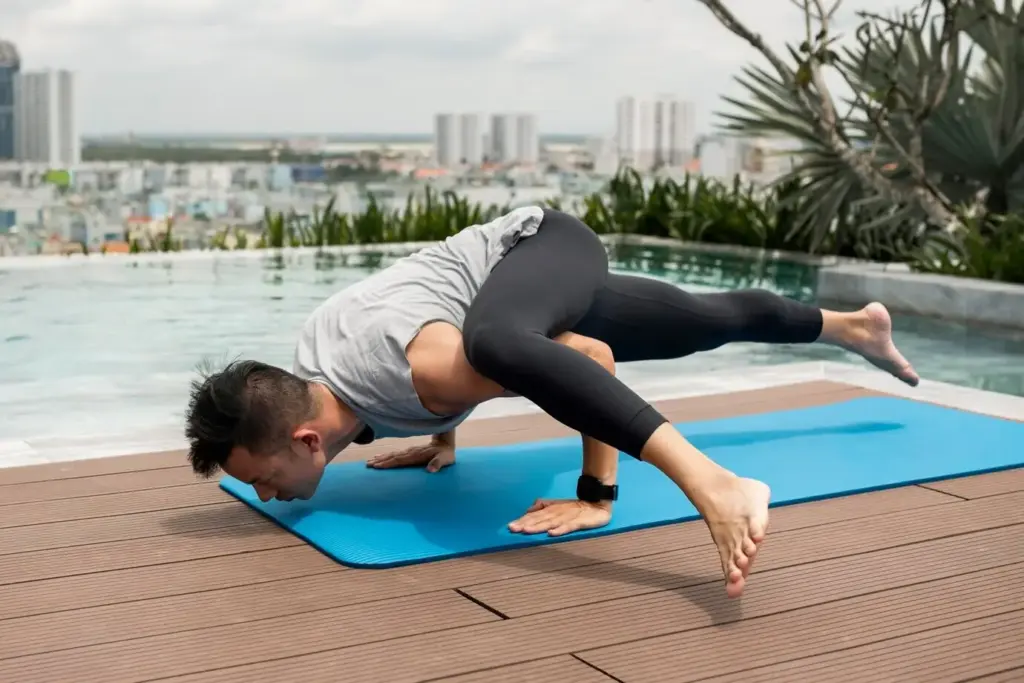
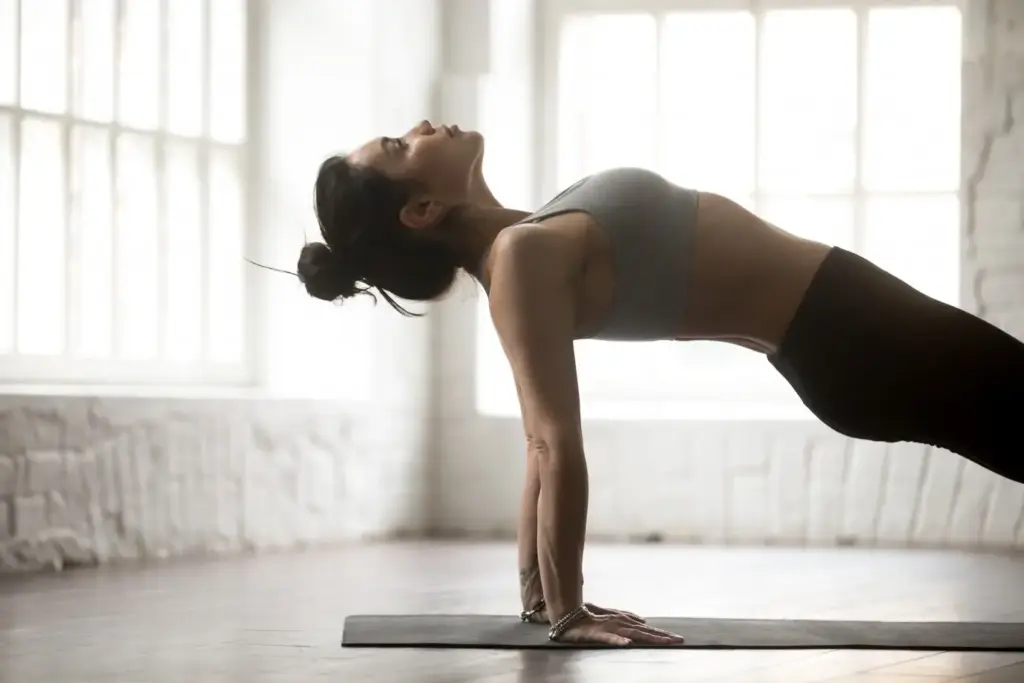
Short, low-impact movements on the floor can soothe a tight back, unlock hips, and make breathing easier. These sequences are designed for limited space, minimal sweating, and quick transitions, so you can return to your tasks feeling refreshed rather than depleted. Think of them as kindness you can access quickly: a set of movements you can remember, repeat, and shape around your energy, supporting focus without demanding complicated choreography or intense physical effort.

Spinal Wave and Pelvic Rock

Lie on your back, knees bent, feet planted. Slowly tilt the pelvis to lengthen the lower back, then gently rock the tailbone forward to create spaciousness through the hip flexors. Let the ribcage soften into the mat and match the movement with a slow breath. Think fluid, wave-like motion, not force. After a minute, notice your back’s warmer sensation, calmer breath, and softer jaw. This simple pair reduces bracing, restoring easy, upright posture at your desk.

Low Lunge Melt

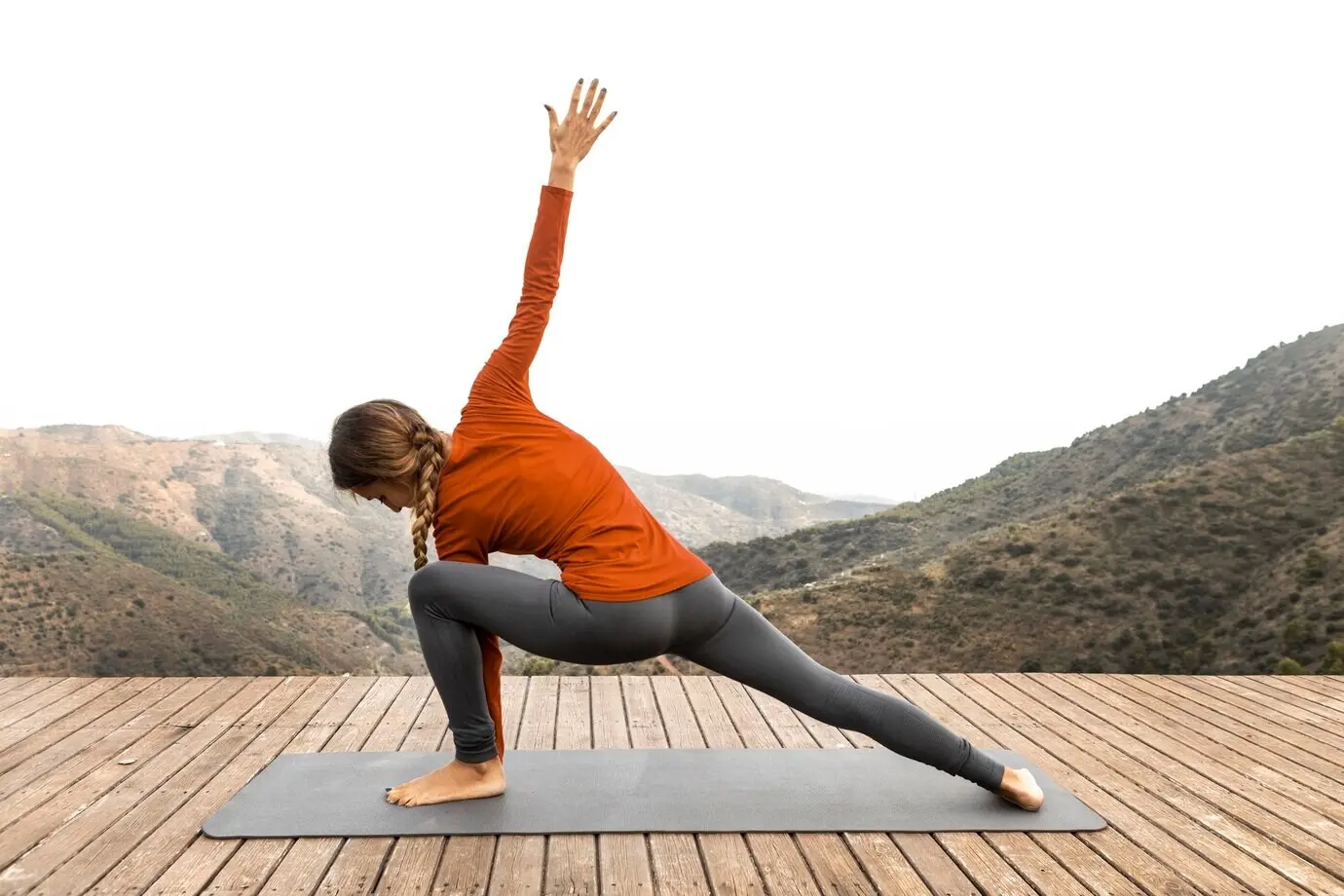
From hands and knees, step one foot forward, padding the back knee. Keep the pelvis neutral as you inhale, then exhale to slide the hips gently forward without collapsing the lower back. Reach the arms overhead or hold the front thigh for support. Let your breath lengthen the front of the hip and the side waist. Work with sensation, not pain. When you rise, standing feels lighter, and the pressure that collects during sitting unwinds into calm, usable energy.

Sequencing for Real Work Schedules

You do not need an hour to feel better. Choose a sequence that respects the realities of your day: fast resets when everything roars, medium routines for lunch breaks, and slightly longer wind-downs when the workday ends. Consistency matters more than intensity. These options offer dependable, repeatable structure that trains your nervous system to anticipate relief, helping stress feel less like a surprise wave and more like a tide you can read, navigate, and soften.

Three-Minute SOS

Set a timer. Sit tall or lie down. Take five cycles of four-count inhale, six-count exhale. Follow with thirty seconds of pelvic rocks or shoulder rolls. Finish with one hand over the heart and a steady exhale through pursed lips. This compact ritual disrupts spirals without derailing schedules, creating just enough physiological space to choose your next action deliberately. When practiced daily, these micro-moments add up to a steadier baseline, even during unpredictable days.

Seven-Minute Midday Reboot

Begin with two minutes of belly breathing, emphasizing longer exhales. Move into a minute each of spinal waves, low lunges both sides, and a gentle supine twist. Close with one minute in constructive rest, knees bent, feet planted, breath slow. The sequence opens compressed areas, steadies attention, and preserves energy for the afternoon. Keep a friendly tone with yourself, adjusting intensity so you return to work clear, composed, and physically comfortable enough to focus meaningfully.

Twelve-Minute Evening Off-Ramp

As the day closes, dim lights and silence notifications. Spend three minutes with resonant breathing at roughly five to six breaths per minute. Flow through hip openers and a slow seated fold, then settle into legs-up-the-couch or legs-up-the-wall. Finish with a soft body scan and long exhales. This graceful transition helps separate identity from urgency, inviting rest without guilt and making tomorrow’s start steadier by genuinely completing today’s stress cycle and releasing unhelpful residual tension.

Breath Patterns That Support Focus

Different patterns produce different results. You can cultivate composure, clarity, or de-escalation by choosing simple structures and practicing them consistently. Gentle counting helps, but comfort matters more than strictness. Explore and notice your body’s response on real deadlines, not just quiet weekends. Over time, breath becomes a trusted colleague: reliable, skillful, and ready to step in when pressure rises, helping you respond thoughtfully rather than react reflexively when the stakes feel high.

Box Breathing for Composure

Inhale for four, pause for four, exhale for four, pause for four. Keep the corners soft, jaw relaxed, and shoulders heavy. After a few boxes, most people report steadier attention and quieter self-talk. Use it before presentations or difficult conversations. If the holds feel edgy, shorten the pauses slightly. The goal is balanced edges, not strain. Let the pattern provide rhythm so your mind can rest inside a predictable, calming structure that supports poise.

Extended Exhale for De-escalation

When emotions surge, lengthen the out-breath. Inhale for four, exhale for six to eight, imagining fogging a mirror with gentle warmth. This subtly massages the vagus nerve and downshifts arousal. Pair with a shoulder drop and eye softness to amplify the effect. Use during tense email threads or when a meeting intensifies. It is discreet, kind, and often surprisingly effective at stopping spirals before they gather speed or spill into decisions you would rather not revisit.

Ergonomics Meets Recovery

Small environment shifts make it easier to follow through. Clear a rectangle of floor space, keep a folded blanket nearby, and set reminders that feel helpful rather than bossy. Aligning your desk posture with your movement and breath breaks prevents a back-and-forth battle between tension and relief. Think support, not perfection. When your space welcomes release, your body learns that calm is accessible and normal, making your new routines feel natural instead of aspirational.

Stories from People Who Tried This

Real experiences make these practices feel possible. Short routines and compassionate breathing helped people meet deadlines without grinding themselves down, return to tricky conversations with composure, and end days with less tension. Their results were not dramatic overnight transformations, but steady shifts that compounded. The common thread was kindness and consistency: tiny steps done repeatedly, paired with curiosity and forgiveness. Let their stories remind you that calm is learnable, practical, and compatible with ambitious, meaningful work.

Make It Social and Sustainable

Momentum grows in community. Invite a colleague to a tiny midday reset, share your favorite track for slow breaths, or drop a photo of your floor setup to inspire someone else. Keep goals playful and flexible, celebrating returns rather than perfect streaks. Ask questions, compare notes, and suggest variations that suit different body types and schedules. When practices are shared and adaptable, they become durable, friendly parts of your day rather than another box to check.
Roxaturakipuhomufohiha
Privacy Overview

This website uses cookies so that we can provide you with the best user experience possible. Cookie information is stored in your browser and performs functions such as recognising you when you return to our website and helping our team to understand which sections of the website you find most interesting and useful.