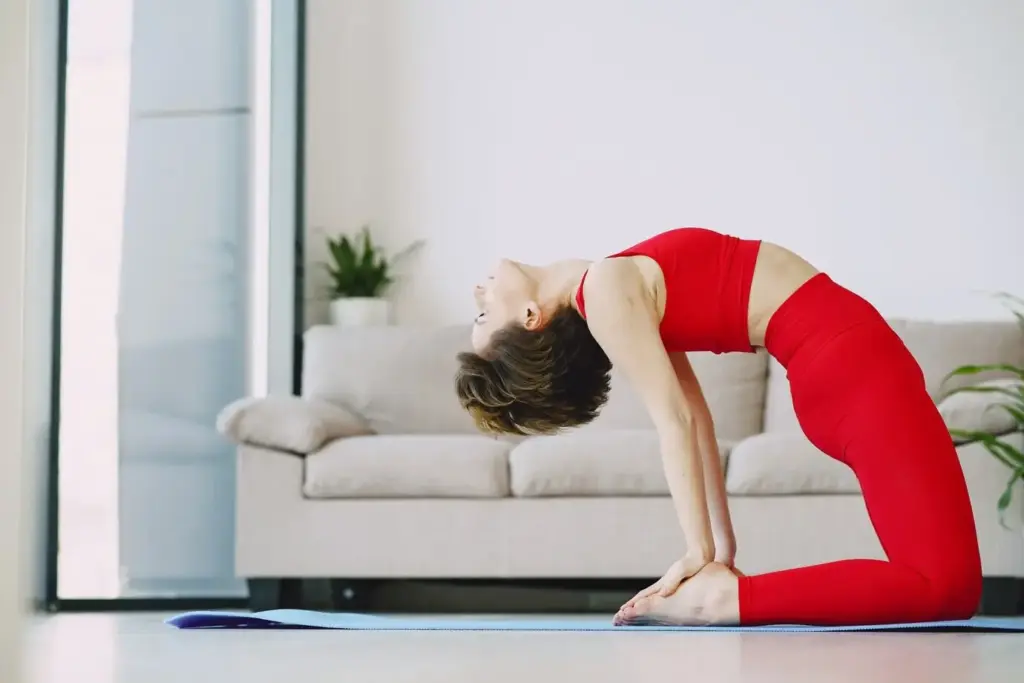
Stand-to-Mat Sparks: Micro-Moves to Beat Desk Fatigue
Why These Quick Transitions Work
Circulation and Joint Hydration
When you move from standing to the floor and back, calf muscles pump blood upward, venous return improves, and synovial fluid circulates through major joints. That simple variability reduces stiffness, tingling, and heaviness in legs or hips, replacing the dull, seated slump with a lively, supported feeling that carries into your next task with surprising clarity and comfort.
Posture Variability and Core Reflexes
Shifting orientations recruits stabilizers your chair neglects. Each descent and rise wakes deep core reflexes, challenges balance systems, and gently repositions the spine. Over time, these micro-challenges make upright posture feel easier, not forced, because tissues adapt to a richer movement diet. The result is less bracing and more effortless alignment when you return to standing or seated work.
Brain, Breath, and Focus
Attention lifts when breath deepens and carbon dioxide tolerance improves. Quick transitions encourage fuller exhales and coordinated diaphragmatic work, which steadies heart rate, calms jittery urgency, and primes mental flexibility. After a minute, people often report clearer thinking, easier problem solving, and a friendlier mood, supporting creative decisions without the mid-afternoon crash that often follows another cup of coffee.
Setups that Respect Knees and Wrists
Breath Cadence and Exit Plans
Pain, Dizziness, and Smart Alternatives
The Desk-to-Lunge-to-Kneel Flow
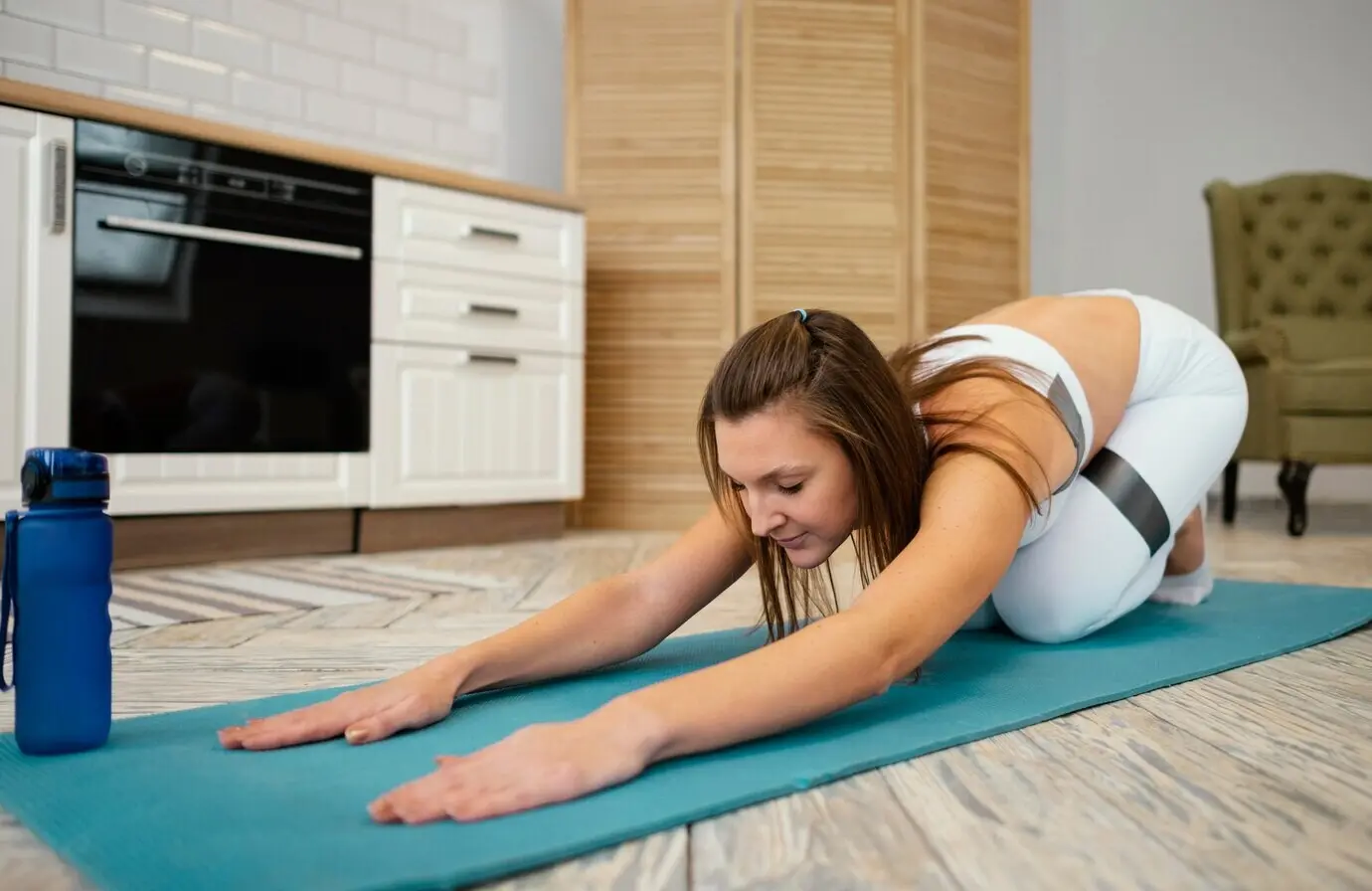
The Hinge-to-Plank-to-Child Loop
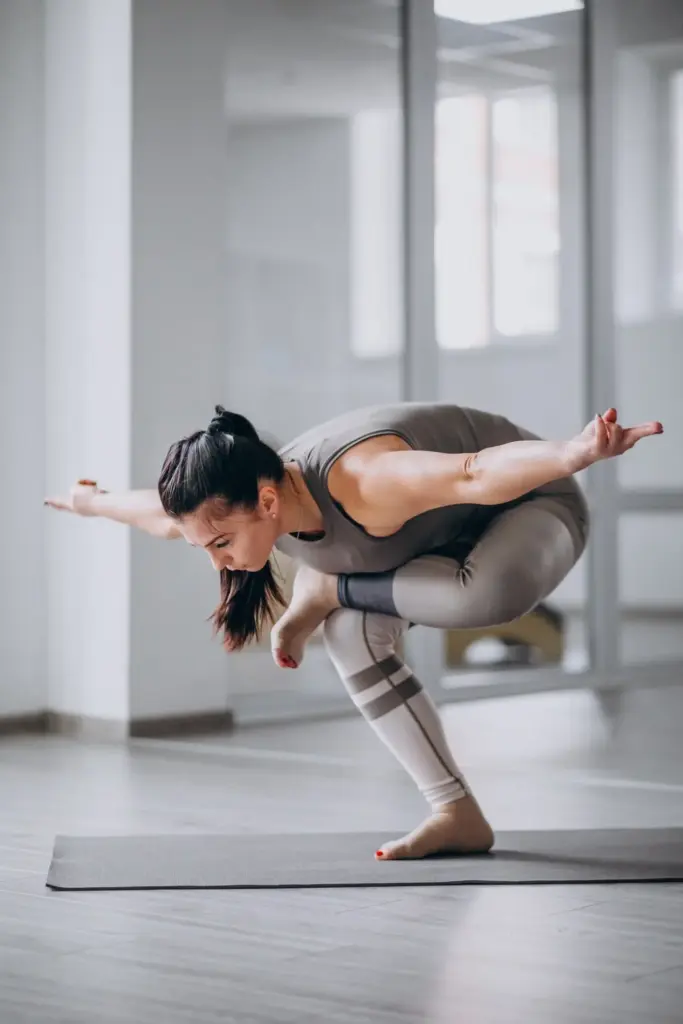
The Balance-to-Squat-to-Sit Cycle
Three One-Minute Sequences You Can Start Today
Designing Your Space and Cues
Habit Science and Consistency
Stories, Wins, and Real-World Proof