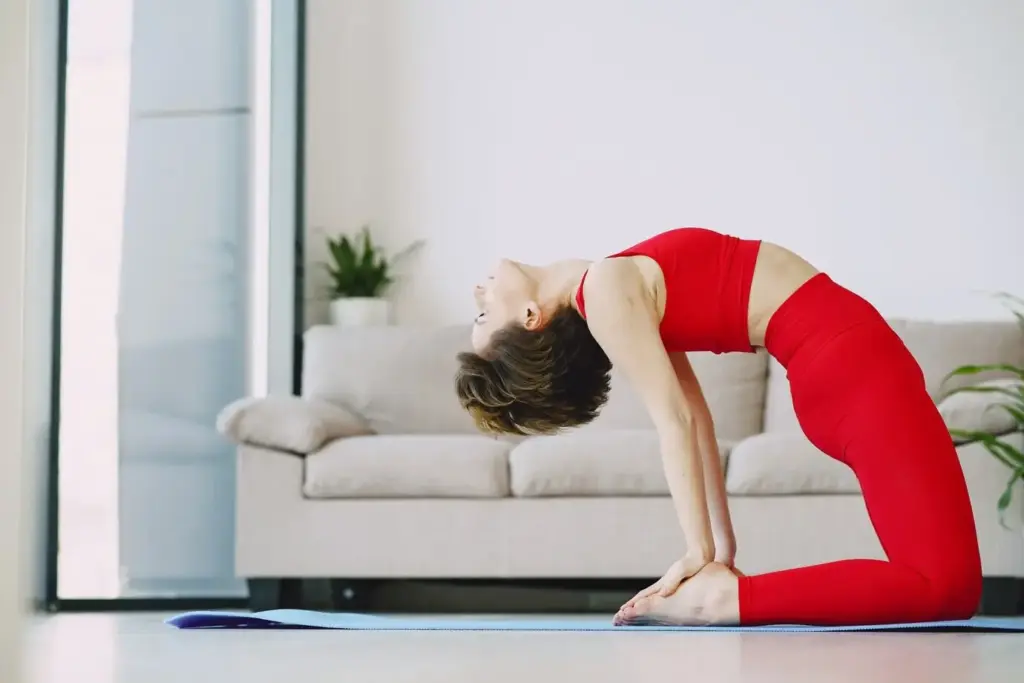
Ease Your Back with a Gentle Chair‑to‑Floor Stretch Flow
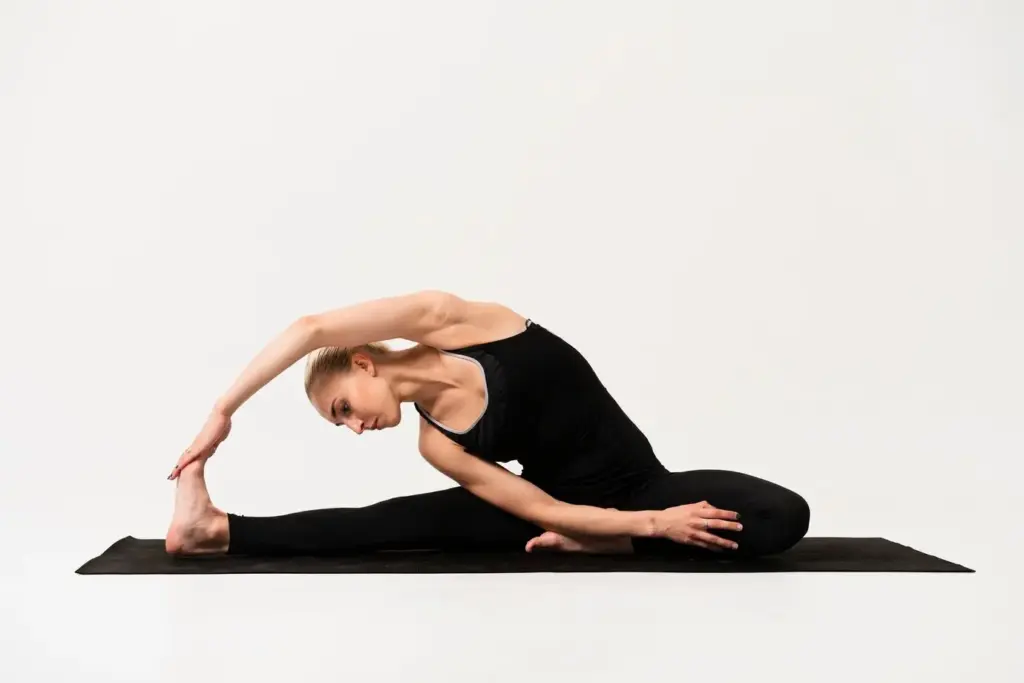
Welcome to a supportive, step‑by‑step guide through the Chair‑to‑Floor Stretch Series for Lower Back Relief. We will blend chair‑based mobility, mindful breathing, and safe floor transitions that soothe tight hips and decompress the lumbar area. Prepare a sturdy chair, a yoga mat, and perhaps a cushion or folded towel. Move with curiosity, listen to your sensations, and adapt pace and depth. If something pinches or feels sharp, ease out and modify. Share your questions and progress so we can refine this series together.

Understand the Lower Back’s Needs Before You Move

Your lower back thrives on balanced support from hips, glutes, and core, along with gentle motion that nourishes discs and calms protective muscle guarding. Long sitting shortens hip flexors and hamstrings, encouraging the pelvis to tip and the lumbar area to compensate. Adding breath awareness helps dial down the nervous system’s alarm, reducing bracing. Today’s flow nudges mobility where it is stiff, adds stability where it is lax, and connects breath to movement for lasting relief. Approach like a conversation with your body, responding kindly to what it tells you.

Set Up Your Space, Chair, and Props for Success

Safety checklist for dependable support

Check that your chair does not slide or swivel. If the floor is slick, place the front chair legs on the mat for traction. Ensure there is enough room to step forward, kneel, and lie down without bumping objects. Wear comfortable clothing that allows hip and spine movement. Keep water and a small towel nearby. These small details make transitions smoother and your nervous system calmer, especially when moving from seated to standing or kneeling positions that can sometimes trigger guarding.

Smart prop choices that encourage relaxation

Use a cushion or folded towel under sit bones to free the lower back during seated work. A yoga block can support the forearms during hip stretches or cradle the head during supine rest. If hamstrings feel intense, strap or towel assists can reduce strain and allow steady breathing. Props are not shortcuts; they are clever bridges that make healthy alignment accessible. With supportive angles, you can release stubborn tightness without bracing, helping relief arrive sooner and stick around longer.

When to modify, pause, or consult a professional

If you experience sharp, shooting, or worsening pain, stop and consult a qualified clinician. History of recent surgery, disc herniation flares, or unaddressed neurological symptoms warrants personalized guidance. Modify by reducing range, adding props, or shortening holds. You should feel a stretching sensation or gentle activation, not a pinch. Remember, sustainable change comes from consistency and patience. Today is about learning your body’s language, not forcing results. Respecting your boundaries is a powerful investment in long‑term comfort and capacity.

Seated Warm‑Up: Breath, Core, and Gentle Mobility

A thoughtful warm‑up primes the core and hips so the lower back can relax its grip. Start with breath that widens your ribs and softens the belly on inhalation, then lightly engages on exhalation. Move slowly through pelvic tilts, cat‑cow variations, and thoracic rotations, coordinating motion with steady breathing. These small arcs restore circulation, bring awareness to neutral alignment, and prepare tissues for deeper stretches. Think light, curious, and steady. Your goal is to feel more space, more warmth, and less resistance before transitioning to the floor work.

Hip hinge over rounding: the golden habit

Scoot to the chair’s edge, plant feet, and lean forward by folding at the hips rather than rounding the lower back. Keep the chest open and the spine long. Press through heels, exhale, and rise or lower with control. This protects discs and ligaments while training glutes and hamstrings to share the workload. Mastering a clean hinge becomes a daily gift for picking items up, tying shoes, or moving between workstations without provoking cranky tissues.

Half‑kneel landing with centered support

When descending, place one hand on the chair, step one foot back, and lower the back knee to a cushion. Stack knee under hip and front ankle under knee, pausing to breathe before continuing. Reverse to stand with a firm exhale, pressing through the front heel. Keep movements quiet and deliberate. This half‑kneel waypoint organizes your joints, distributes load sensibly, and teaches your core to support change without panic, which pays dividends in everyday tasks.

Floor Focus: Stretches That Target Lasting Relief

Place the right ankle across the left thigh, keeping the ankle flexed. Draw the legs toward you or slide the chair to adjust intensity. Breathe into the back of the hip, softening on exhale. Hold forty to sixty seconds, then switch. If the knee complains, prop with a towel under the thigh. This stretch often quiets piriformis tension that mimics lower back discomfort, freeing the pelvis to move with less tugging and fewer protective spasms during daily activities.
Rest calves on the chair seat with knees bent about ninety degrees. Find a neutral pelvis and let the lower back melt into a natural, gentle curve. Breathe slowly, imagining space between vertebrae widening on each exhale. Stay for one to three minutes. If hamstrings chatter, place a folded towel under the calves. This position reduces axial loading, calms the nervous system, and provides a restorative pause that many people describe as instant relief after long hours of sitting.
Hug both knees, then let them drift to one side while keeping shoulders soft and heavy. If the top knee floats, support it with a cushion. Inhale into your side ribs; exhale to release unnecessary gripping around the waist and hips. Stay for five or six breaths, then switch. Keep the range easy, aiming for comfort instead of maximum rotation. This twist invites hydration through fascial layers and helps the body integrate earlier hip work into a balanced, relaxed spine.

Integration, Recovery, and Keeping the Habit Alive
Cool down with intent so your back remembers ease after you stand up. Close with slow breathing, a brief body scan, and a short note about what felt helpful today. Translate success into daily life: hinge to pick up bags, pause for two minutes of chair cat‑cow between meetings, and use legs‑on‑chair decompression after long drives. Share your experiences in the comments, ask for modifications, and subscribe for fresh flows. Consistency builds capacity; small wins repeated often create confident, lasting relief.
Roxaturakipuhomufohiha
Privacy Overview

This website uses cookies so that we can provide you with the best user experience possible. Cookie information is stored in your browser and performs functions such as recognising you when you return to our website and helping our team to understand which sections of the website you find most interesting and useful.