Five Minutes to Unstick Your Desk-Bound Body
Why Tiny Routines Deliver Big Relief

Pick a Minimalist, Office-Friendly Mat
Choose a thin, grippy travel mat that rolls small, cleans easily, and won’t squeak on carpet or laminate. Non-distracting colors blend into an office environment and attract less attention. Keep a small microfiber towel nearby for quick cleanup. Practical details, like how fast it unrolls and re-rolls, matter more than luxury features. If setup is simple, you’ll start on time and return to work refreshed.
Carve Out a Quiet Corner
Scout a space behind a conference table, near a window, or beside a bookcase where your mat fits end-to-end. Test for foot traffic, temperature, and lighting. Aim for enough room to extend your arms without knocking chairs. Post a polite, visible cue—like headphones or a small sign—so colleagues understand you’ll return shortly. Respectful boundaries protect your consistency and keep the practice low-drama and sustainable.
Props From Things You Already Have
Skip fancy gear. A folded sweater becomes a knee cushion, a laptop bag acts like a yoga block, and a lanyard or scarf can serve as a strap. Keep shoes nearby for quick transitions back to meetings. These friendly improvisations save budget and reduce excuses. Practical props create comfort, and comfort invites repetition, which ultimately delivers the lasting mobility benefits you’re seeking during demanding workweeks.
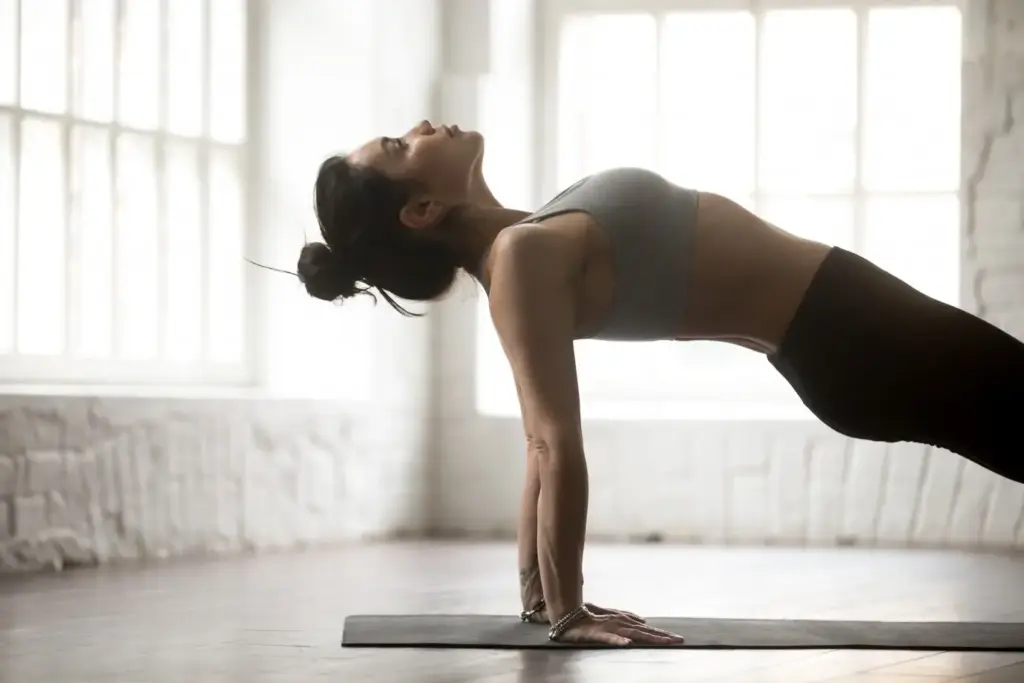
Flow Two: Midday Reset Between Meetings
Sequence Snapshot
Start with a low lunge, gently tucking the tail to lengthen the front of the hip. Transition to a half-split hamstring glide, moving only within comfort. Sit tall for a cross-legged or kneeling rotation, then finish with wrist extensions and flexions. Each element aims for ease, not intensity. Expect a calmer mind, lighter hips, and wrists that feel ready for more thoughtful, intentional keyboard time.
Seamless Desk-to-Mat Transition
Block five minutes on your calendar with a neutral label and slide your mat under the desk for instant access. Close tabs, silence alerts, and set a gentle chime. Imagine you’re stepping into a hallway of quiet. Those thirty seconds of preparation protect your focus. When you return, resist the frantic catch-up urge; instead, re-enter with deliberate pacing and prioritize the single next meaningful task.
Options for Stiff or Sensitive Days
If your hips feel stubborn, lift your back knee onto a sweater and reduce the lunge depth. For hamstrings, bend the front knee slightly and glide shorter. Swap floor rotations for a tall-kneeling twist if sitting is uncomfortable. Always choose pain-free variations. Your consistency matters more than intensity. Gentle adjustments reaffirm safety, and safety invites your body to relax into newer ranges over time.
Flow Three: Late-Afternoon Unwind
Sequence Snapshot
Downshift Your Nervous System
Make It Work in Office Attire
Micro-Progress You Can Measure
Accountability Cues That Actually Stick
Share Your Wins and Learnings